Muziejaus g. Located in the quaint village of Niūronys, 8 kilometres from Anykščiai, the museum boasts an extensive collection of over 4,000 exhibits, including horse-drawn agricultural tools, traditional carts, and craftsman's implements. Located in the quaint village of Niūronys, 8 kilometres from Anykščiai, the museum boasts an extensive collection of over 4,000 exhibits, including horse-drawn agricultural tools, traditional carts, and craftsman's implements.
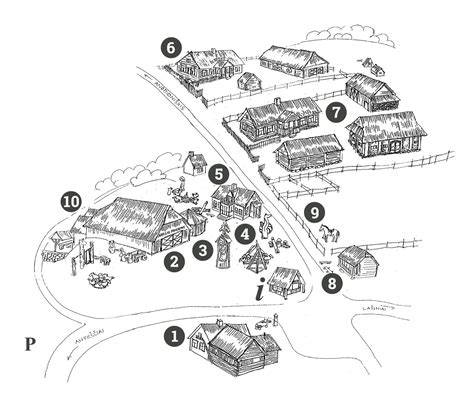
But the real treat for horse lovers lies in the opportunity to ride these majestic creatures. The unique Horse Museum located 8 km outside Anyksciai is the only of its kind in Lithuania. The Museum was founded on the initiative of professor of agronomy Petras Vasinauskas (1906-1995). He became famous after his horse journey across Lithuania. Having in mind the importance of the horse, P.Vasinauskas together with journalist Vladas Vaicekauskas in 1975 made the journey of 1051 km. They travelled across Lithuanian roads for 43 days. The professor has chosen Anyksciai because a lot of tourists come here. The organizing council was made, the construction of the Museum started, exhibits were collected in Lithuania. The Museum contains exhibits-horses alive. Eleven buildings belong to the Museum.
Ūkio, kultūros ir edukacijos centras: muziejaus įvairovė
Horse museums are big players in the field of specialist museums. Horse tourism is becoming increasingly broad-based and diverse, with museums around the world devoted to the horse, to individual breeds and horse sports, and to traditional horse cultures. Some horse museums go further, rounding off the visitor experience by allowing contact with living horses. With these kinds of horse museums, the ‘experiential’ part of the interpretation is the fleshing out the archival, historical elements of the display through closeness to real, actual horses. Research and visitor feedback has shown that everyone wants to see, hear, touch and smell real horses.
Garsūs arklių muziejai pasaulyje
The National Museum of Mongolia is a trove. Nearly everything related to Mongolian history and culture has some connection to the horse. This is followed by an additional list recommended by members of various equine research groups. Les Grandes Écuries (the Great Stables) in Chantilly, France, were built by the architect Jean Aubert for Louis-Henri de Bourbon, the 7th Prince of Condé between 1719 and 1735. Sophisticated for its time, it featured an artificial tendon made from kangaroo sinew that, when activated, lifted the toe to avoid tripping on cobble stones.
Muziejų įvairovė: nuo istorijos iki šiuolaikinių pramogų
Museums educate, entertain and inspire. They provide spaces for social interaction and reflection. But above all, audiences want to engage with ‘the real thing’ - the horses themselves. The Musée de la Cavalerie in Saumur presents magnificent public performances by the Cadre Noir of ‘high school’ movements by riders in their black caps and black-collared jackets; and especially braided manes and tails for the bay, mainly Selle Francais, horses. The centre, at Saumur, not only houses a cavalry, and its museum, but also functions as a National Riding Centre. The Equestrian Stables at Versailles is the home now of the National Equestrian Academy as well as of equine theatre director Bartabas who has been offering horse-based repertory theatre, or what he calls ‘equestrian ballet’ in the indoor arena space.
As well as seeing ridden performances, you can also visit the Gallery of Coaches in the Great Stables and the Sculptures and Mouldings gallery in the Small Stables. HIPPO.WAR focuses on the role of the horse during the First World War. Photos, films and audio clips along with countless authentic artefacts, an interactive quiz and even a replica horse hospital feature in the collection. The Deutsches Pferdemuseum, in Verden, (the German Horse Museum) is a must see. It features life-like to-scale models of early horses from Eohippus onwards. Must do; have a look through the ‘pferde optiks’; spectacle lenses that let you see the world like a horse does.
Kompaktiškos ir įspūdingos ekspozicijos
The Westfälisches Pferdemuseum, Münster, presents the horse’s natural and cultural history. Features a life-size model of the ‘perfect horse’; as well as an eerie ‘horse in slices’ display where visitors can learn about the uniqueness of the horse’s anatomy. Special focus on breeding and sport horses in Westphalia. The Historical Museum in Lund, Sweden features a permanent exhibition about Iron Age horse culture. The National Racing Museum, Newmarket, is a fabulous horse tourist experience, family friendly, with lots of interactive displays. There’s a chance to meet some ex-racehorses as it is also the base for RoR (re-training of racehorses).
Nuo mažų muziejų iki pasaulinių šedevrų
The Museum of the Horse, Tuxford. A small private museum in Newark, is absolutely essential viewing if it’s side-saddles and historic tack you’re interested in. Museum of Carriages, Lisbon. The museum has one of the finest collections of historical carriages in the world, and it is one of the most visited museums of the city. The Escola Portuguesa de Arte Equestre (Portuguese School of Equestrian Art) is a Portuguese institution dedicated to the preservation of the equestrian arts in the Portuguese tradition. It is one of the “Big Four” most prestigious classical riding academies in the world. At Czesky Krumlov Castle in South Bohemia, Czechia, they have a great small museum of Baroque saddlery, harness and carriages which is amazing, and located in the original royal stables.
Pramonės, kultūros ir sporto ryšiai
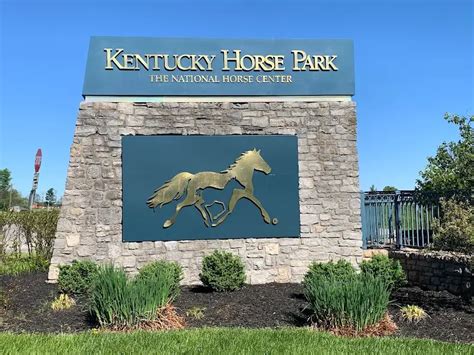
The Equine Museum of Japan has permanent and temporary exhibitions that introduce visitors to horse-related history, folklore, arts, artefacts, and sports. The Australian Racing Museum, Flemington Victoria. Full of treasures, you can look up bloodlines, explore the Hall of Fame, and find out more about racing within Australian history. The International Museum of the Horse in Kentucky Horse Park has a permanent display on the natural and cultural history of the horse, temporary exhibitions and a huge archive with librarians and curators who are able to help students completing higher degree research in equine topics. It also has many ‘live’ hands-on opportunities for interaction, including trail rides, Parade of Breeds displays, horse drawn trolleys, a Hall of Champions, living horse barns, ‘Big Barns’ for draft breeds, and police horses.
Kontrastai ir įspūdžių įvairovė
The National Sporting Library and Museum, in Middleburg, Virginia is one of America’s foremost specialist library-museums. It’s dedicated to preserving, promoting and sharing the literature, art and culture of equestrian, angling and field sports. Current exhibition ‘A Horse of Course; the equine image in art’. The Kentucky Derby Museum at Churchill Downs features a remarkable 360-degree film called “The Greatest Race” film as well as having the first electric starting gate. The Appaloosa Museum and Heritage Centre, Moscow Idaho has a ‘living’ appaloosa nearby, ‘Dusty’ who loves a cuddle. Has a broad collection of indigenous horse artefacts as well as a Nez Perce native garden. The American Quarter Horse Museum and Hall of Fame, Amarillo Texas. The Horse Museum Dubai, United Arab Emirates, is next to the Camel museum, which gives an idea of the equal importance of these two species.
Niūronių arklių muziejaus įvykiai ir ateities planai
There is a Horse museum located 5 km from Anykščiai, Niūronys - a unique attraction in Lithuania. It was founded in 1978 at the initiative of professor of agronomy Petras Vasinauskas, after the professor travelled around Lithuania with žemaitukai and noticed that the horse was no longer involved in daily human life. The entrance of the museum are two threshing barns and the premises of a nearby elementary school, where the first exhibits gathered from all over the Lithuanian territory were placed on display: the chariots, lineika, britzkas, wheels, horses, plows, other tools, harnesses, saddles, horse-drawn flax breaking machine, threshers, seed drills, potato diggers, reapers. The museum now owns 15 buildings. Horses have played a crucial role in shaping human history, from their use in agriculture and transportation to their significance in warfare, sport, and culture.
Meilė žirgams visame pasaulyje
Across the world, museums dedicated to these majestic animals showcase not only their historical importance but also the people who have worked alongside them, fostering deep and enduring bonds. Whether you're interested in the iconic cowgirls of the American West, the noble breeds of Kentucky, or the royal cavalry of England, these horse-themed museums offer fascinating insights into the diverse ways horses have influenced societies throughout time. The National Cowgirl Museum celebrates cowgirls and aims to “lift women from the shadows” of history. “Cool museum!” is one of the frequent reactions visitors have to The National Cowgirl Museum & Hall of Fame. It’s a sleek, contemporary museum where interactive displays include a hologram of sharpshooter Annie Oakley telling her story.
Meta duomenys ir papildomi pasakojimai
There are both permanent collections and traveling exhibitions, for instance “Soldaderas to Amazonas: Escaramuzas Charras” (running until December 31, 2024), where a team of eight women equestrians gallop their way through intricate patterns. Exhibits at the National Cowgirl Museum champion cowgirls of all backgrounds. Tang Dynasty horse exhibit. Origin: Tang Dynasty, 618-906 A.D. Reproduction courtesy of National Palace Museum, Taipei, Taiwan. The Kentucky Horse Park is simultaneously a popular tourist destination, a working horse farm, and a competition facility. Above: Arabian Horse exhibit. Above: Carriage exhibit. In summer the horse population swells to 70-some horses of 40 or so breeds - this year’s cross-section includes Marsh Tackys, Old Kentucky Saddlers, Akhal-Tekes, and Lipizzans among others. Above: Soldier on Horseback exhibit. When it comes to horses and museums, many a visitor hopes to see not just artifacts but the real thing, and the Household Cavalry Museum obliges. Above: Display of Household Cavalry Regalia. Above: Horse Guards Regiment, Household Cavalry Museum. Watch troopers as they work with horses in the 18th century stables and explore the history of the Household Cavalry, formed in 1661 under the direct order of King Charles II. In addition to exhibits and art at The National Museum of the Morgan Horse, visitors enjoy live horse demonstrations thanks to the museum’s location at Pineland Farms Equestrian Center. The National Museum of the Morgan Horse is located at Pineland Farms Equestrian Centre and is owned by the American Morgan Horse Association (AMHA).