From the capital Vilnius to the Curonian spit, Josh Ferry Woodard takes a whistle stop tour of the best places to visit in Lithuania. “Here in Lithuania, everybody forages for mushrooms and berries,” said our guide Benas, as we walked through the cobbled streets of Vilnius old town, towards Amandus restaurant for lunch. A Lithuanian friend of mine once told me, proudly, of how when he was younger he would spend all day searching the woodlands behind his grandmother’s house for mushrooms to sell.
Vilnius: istorija, kultūra ir architektūra
“I’d like to show you shabby corners of Vilnius. “Look! Look, Užupis was originally a sanctuary for marginalised elements of society during Soviet rule, and quite rundown. However, for the most part, the district has more of a bohemian vibe these days. The ‘Republic’ has its own flag, currency, mayor, constitution and cabinet members. The constitution, which features important assertions such as: “Every dog has the right to be a dog,” and “Everyone has the right to appreciate their unimportance,” can be found translated into over a dozen languages on Paupio Street.
Back in the old town Benas took us to an Amber Museum, where we downed shots of amber dissolved into 999 (a strong Lithuanian spirit made from 9 roots, 9 barks and 9 herbs… The Editor is familiar with it already). “Here in Vilnius we don’t need city parks,” said Benas. “Because we are surrounded by greenery and lakes. Our examination of the castle began with a relaxing lap of its burnt orange turrets in a boat. It was a surreal, heart in mouth moment when our hot air balloon finally started to rise. Serenely, we drifted to heights of around 1,000 metres for awesome panoramic views of Trakai’s green spiky pine forests and squiggly cloud-shaped islands.
Vilnius: žymiausios vietos ir patirtys
“Every child in Lithuania has heard of Puntukas Stone,” said our new guide Linas as we breathed in the crisp forest air, scented with pine resin and thyme. “Another interesting thing,” said Linas, pointing to a green patch of wild sorrel on the forest floor. “However, this year,” added Linas as we entered a metal treetop walkway with tremendous views of the forest. Later, not in the slightest bit fed up by blogging, we pulled up alongside a convoy of trucks filled with orchard apples for a delicious and hearty lunch at Perinos Gastrobaras.
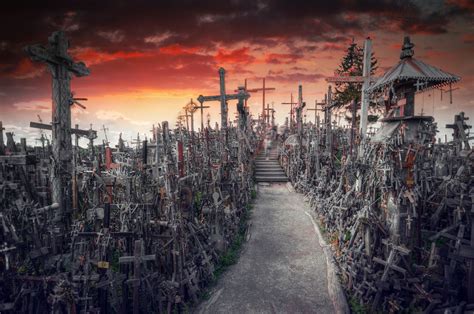
I started with a cold, creamy, pink saltibarsciai beetroot soup and a local apple wine. After a huge bowl of spinach, cheese and zucchini fusilli, we headed to Kalita Hill Alpine Coaster for an exhilarating toboggan ride. The landmark tells a story of rebellion. It is thought that the crosses first appeared in 1864 after a massacre carried out by the Russian Tsar. History began repeating itself during the Soviet era, when the hill was demolished with bulldozers at least three times. “The owner is a little obsessed with hunting,” said Linas as we arrived at Villa Dubgiris, a complex of luxury wooden cabins in a secluded lake-side location in the Mazeikiai region. In the ‘Banquet Hall,’ a warm, rotund two-storey building with large windows, natural wooden columns and rustic fittings designed by local blacksmiths, I feasted on a succulent pink-in-the-middle roe deer steak. After dinner Linas and I each took a pint of ice-cold Svyturys Ekstra Lithuanian lager into the plush Dubgiris spa. “You know, saunas were, and still are, a massive part of Lithuanian culture,” said Linas as we sweltered in the Siberian fir-scented sauna. “You know, saunas were, and still are, a massive part of Lithuanian culture,” said Linas as we sweltered in the Siberian fir-scented sauna.
Gedimino bokštas ir Vilniaus senamiestis
Gediminas’ Tower Castle is open daily (except on Public Holidays). You can either take a funicular or walk up the hill. Vilnius Old Town is a UNESCO World Heritage Site with plenty of must-see attractions, many of which you can experience on day 2 of our Walks of the Baltics and Finland trip. Wandering through its narrow, cobblestone streets, you’ll be greeted by the city’s magnificent architecture. Amidst the Gothic, Renaissance, Baroque, and Classical buildings, every corner tells a story of Vilnius’ diverse influences throughout time.
Trakai: salos pilis ir gamtos grožis
Trakai Castle, built in the 14-15th centuries and just recently restored, is considered a definite must-see place in Lithuania. Located in the most beautiful setting on a little island surrounded by Lake Galvė, the castle is truly impressive. Because Trakai is just a short drive from the capital city, visiting Trakai Castle is the most popular day trip from Vilnius. It’s also one of the most visited tourist attractions in Lithuania, a favorite among tourists and locals alike. Sometimes, it might feel like a tourist trap, but if you look beyond the crowds, the tour buses, and the souvenir shops, you’ll be able to appreciate the unique setting and impressive architecture dating back from the times when the Grand Duchy of Lithuania was one of the main powers in the region, stretching all the way to the Black Sea. TIP: You can visit Trakai by taking a guided tour from Vilnius. Alternatively, take a car or a train and visit on your own. If you come in the warm season, I highly recommend renting a rowing boat or a kayak. It’s a great way to explore the beautiful area around the castle.
Nida ir Curonio spito imperija
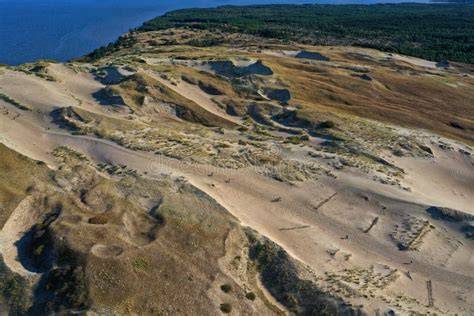
Nida, the largest village along the Curonian Spit, is famous for its white sand dunes with views of the Russian border. Juodkrantė is quieter and features the Hill of Witches, an open-air museum of wooden sculptures depicting folk tales. For active travellers, cycling is a great way to explore. Ride from Klaipėda to Nida (50 km one way) or Klaipėda to Palanga (30 km). The Curonian Spit is a UNESCO World Heritage Site, with a width from 400 m to 4 km, and a 98 km stretch separating the Curonian Lagoon from the Baltic Sea. Its villages, pine forests and drifting dunes make it a magnet for visitors.
Aukštaitija nacionalinis parkas: gamtos lobiai
Aukštaitija National Park is perfect for nature lovers. Located in northeastern Lithuania, the park offers beautiful lakes, forests, hills, and traditional villages. In Palūšė, you can stay in cozy accommodations, follow hiking trails, and relax on the beaches by Lake Lūšys. The park also offers many activities for visitors. You can join a guided tour or explore on your own. Make sure to visit the Ancient Beekeeping Museum to learn about traditional beekeeping or go to Ladakalnis Hill. From there, you can see an amazing view of six different lakes. Information in English about this natural gem in Lithuania might be limited. However, the Aukštaitija National Park Visitor Centre has created a detailed brochure in English. It includes a variety of hiking, cycling, water, and road transport itineraries to help you explore the park. Most routes conveniently start in Palūšė, making it an excellent base for your adventures.
Klaipėda ir Curonio spito perėjos
Lithuania has only about 90 km of coastline, but it is used very well! The seaside is quiet in winter, but during summer it becomes lively. Palanga turns into Lithuania’s party capital, with nightclubs relocating there from Kaunas and Vilnius. If you prefer a quieter experience, Klaipėda or one of the fishing villages on the Curonian Spit are great options. Klaipėda, Lithuania’s main port, has a German-influenced Old Town and fewer crowds as its beaches are farther from the center. A short ferry ride from Klaipėda takes you to the Curonian Spit, a 98 km stretch of land listed as a UNESCO World Heritage Site. Its width ranges from 400 m to 4 km, with the Curonian Lagoon on one side and the Baltic Sea on the other. The Curonian Spit is home to peaceful fishing villages like Nida and Juodkrantė. Nida, the largest, is famous for its white sand dunes, which resemble a desert and offer views of the Russian border. Juodkrantė is quieter and features the Hill of Witches, an open-air museum of wooden sculptures depicting folk tales.
Kaunas: antra didžiausia šalies sostinė
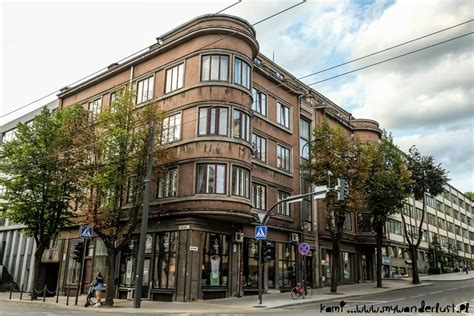
Kaunas, Lithuania’s second-largest city and former capital, is known for its modernist architecture, which developed during the interwar period when it was the provisional capital of Lithuania. In fact, Kaunas was the first city in Eastern and Central Europe to be named a UNESCO City of Design. In 2024, Kaunas’ modernist architecture was added to the UNESCO World Heritage List. You can admire this architecture along Laisvės Avenue and in the surrounding streets. Kaunas is also the heart of Lithuania’s "second religion": basketball! While Kaunas is often associated with modernism and basketball, it also boasts a charming Old Town, a vibrant street art scene, and many interesting museums, including the Devil’s Museum, which houses over 3,000 devil-related artifacts.
Kur išgirsite senovės Lietuvą: Rumšiškės ir Grūtas Park
There is no better place to get to know what life in Lithuania was like in the past than the Lithuanian Folk Museum in Rumšiškės, aka Open-Air Museum of Lithuania. The museum is a great introduction to the ethnographic regions of Lithuania - Dzūkija (Dainava), Aukštaitija (Highlands), Suvalkija (Sudovia), Žemaitija (Samogitia)… All the houses here represent their respective regions and it’s interesting to see the architecture (and even the traditional clothing) differ from place to place. Inside, you’ll find typical household appliances and machinery, most dating from the 18th - 19th centuries. Inside the museum, you’ll also find a ‘town’ with traditional buildings from all around Lithuania. TIP: While the nicest time to visit the open-air museum is summer, it’s worth a trip the whole year round. Various events are held here in all seasons. Probably the best-known and the most popular one is Užgavėnės (a sort of Mardi Gras or a carnival, but then in the old-fashioned Lithuanian style). Practical information: The museum is located just off the highway between Vilnius and Kaunas, about 80km from Vilnius and 30 from Kaunas town center.
Pažaislis: vienuolynas ir jo grožis
Pažaislio Vienuolynas (Pažaislis Monastery) and the Church of the Visitation are a part of the largest monastery complex in Lithuania. Located on the shores of the Kaunas Reservoir, this 17th-century monastery is one of the best places to see in Lithuania. Yet, you won’t find many tourists here. The magnificent buildings are probably the most beautiful example of Italian Baroque architecture in Lithuania and are definitely worth seeing. While it’s an actual working monastery, it’s possible to visit the beautiful church. If you have some extra time, go for a walk in the surrounding area. Practical information: The monastery is located about 10km from the Kaunas town center and can be best reached by car. Public transport is also available. It’s open for visits daily, except Mondays.
Grūtas Parkas ir Druskininkai
Grūtas Park (Grūtas Park) is a privately owned Soviet sculpture garden located in the forests of Grūtas village, near Druskininkai in the south of Lithuania. As Lithuania gained independence and all the towns and villages started getting rid of the statues of Lenin, Stalin, and other Soviet-era heroes, a businessman from Grūtas decided to collect them. In 2001, he opened this unique museum that quickly became the talk of the town. Grūtas Park has always been a bit of a controversial place, but it shows a big part of our recent history, and I think it’s certainly worth a visit. Practical information: The park is open daily, the whole year round.
Nida: kurortas Curonio spit
The Pretty Seaside Town of Nida: Colourful clapperboard houses, fishing boats and holiday homes. In the warmer summer months, Nida feels distinctly Scandinavian - and is a hugely popular spot for weekenders and holiday-makers. One of the four villages along the Curonian Spit, it is a top spot for outdoorsy types, with ample opportunities to kayak or canoe on the lagoon, cycle or run along the waterfront path or hike into the forest it's also a got some great beaches and a vibrant restaurant/bar scene. It's kind of the perfect summer town! Top Tip // Don’t have your own transport? It’s possible to take a full-day tour from Vilnius to the Curonian Spit.
Oro metu ir laiko grožis
The remarkable 98 km-long Curonian Spit was formed 5,000 years ago. Created from sand transported by currents, the locals coined it the ‘Lithuanian Sahara’. As the Curonian Spit evolved over time, it became covered by forest and inhabited by humans. Yet, it continues to fight a battle of erosion against the wind and waves. On day 8 of both our Cycle the Baltics and Discover the Baltics trips, there’s the opportunity to explore the Great Dune Ridge. You also get to take in Witches’ Hill, an area renowned for its unique wooden sculptures crafted by local folk artists since 1979.
THIS IS LITHUANIA?! The Curonian Spit
Vilnius, Kaunas ir Trakai: trumpa santrauka veikloms
Visiting Vilnius Old Town is a captivating experience, where every corner holds a piece of history, and every flavour tells a story. The Old Town is a UNESCO World Heritage Site with plenty of must-see attractions, many of which you can experience on day 2 of our Walks of the Baltics and Finland trip. Trakai Castle is reminiscent of a fairytale. You’ll find it perched on an island in Lake Galvė, one of the deepest lakes in Lithuania. The Grand Duke Kęstutis of Lithuania began constructing the castle in the 14th century, making it his primary residence. It was later finished by his son, Vytautas. It’s easy to spend at least half a day at Trakai Castle, immersing yourself in its romantic surroundings and intriguing history.
- Gediminas Tower, Vilnius
- Hill of Crosses, Šiauliai region
- Kernavė Archaeological Site
- Open-Air Museum in Rumšiškės
Lithuania may be small, but it offers a variety of experiences. From exploring Vilnius’ historical sites to relaxing on the Curonian Spit or hiking through Aukštaitija National Park, Lithuania offers something for everyone. Vilnius with locals team ready for road trip.
tags: #nekeisciau #vietu #ir #aplankytu #tiltu