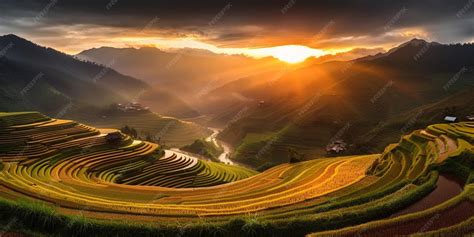
Nestled deep within the misty mountains of northwestern Vietnam, Mu Cang Chai Vietnam is a destination where nature, culture, and tradition come together in extraordinary harmony. Unlike Vietnam’s bustling cities and popular coastal destinations, Mu Cang Chai offers a journey into a quieter and more authentic side of the country. Here, endless layers of rice terraces stretch across valleys and mountains, while traditional Hmong villages preserve centuries-old customs and ways of life. As one of the most rewarding destinations in northern Vietnam, Mu Cang Chai is often combined with other regional highlights. Over generations, local Hmong communities transformed steep mountain slopes into intricate terraces capable of cultivating rice at high elevations. Unlike many modern tourist destinations, Mu Cang Chai remains largely authentic.
Mu Cang Chai is situated in Yen Bai Province, approximately 300 kilometers northwest of Hanoi. Its location places it within Vietnam’s spectacular northern highlands, a region famous for ethnic diversity and stunning natural scenery. Facing steep mountain terrain unsuitable for traditional farming, local communities gradually developed terrace systems that allowed them to cultivate rice while conserving water and soil. Today, the terraces represent not only agricultural achievement but also cultural identity. The water-pouring season marks the beginning of the rice-growing cycle. The reflective water creates stunning mirror-like landscapes that attract photographers from around the world. This period offers excellent opportunities for trekking and cultural exploration. The rice terraces turn brilliant shades of gold, creating breathtaking patterns across the mountainsides. The rice terraces are undoubtedly the main reason travelers visit Mu Cang Chai Vietnam.
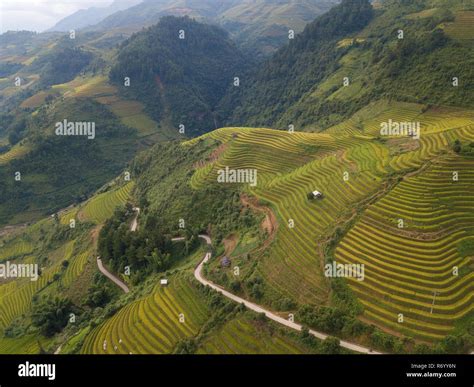
Spread across steep mountainsides and valleys, these terraces have been carefully cultivated by Hmong communities for centuries. Trekking is one of the most rewarding activities in Mu Cang Chai Vietnam. Walking through villages such as Che Cu Nha and La Pan Tan provides opportunities to meet local families, observe traditional farming practices, and gain a deeper understanding of Hmong culture. Khau Pha Pass is considered one of the most beautiful mountain roads in Vietnam and offers an unforgettable driving experience. Whether traveling by private car or motorbike, the journey along Khau Pha Pass is often regarded as one of the highlights of visiting Mu Cang Chai. One of the best ways to experience local culture is by staying in a traditional homestay.
Mu Cang Chai is widely recognized as one of Vietnam’s top photography destinations. Professional photographers and travel enthusiasts visit from around the world to capture this seasonal phenomenon. Local markets play an important role in the social and economic life of the region. Exploring local cuisine is an essential part of any visit to Mu Cang Chai Vietnam. Located on the route between Hanoi and Mu Cang Chai, Tu Le is famous for its natural hot springs. While the golden harvest season attracts the most attention, the water-pouring season from May to June is equally fascinating. The reflective surfaces create mirror-like landscapes that beautifully capture the sky, clouds, and surrounding mountains. For adventurous travelers, exploring Mu Cang Chai by motorbike offers freedom and flexibility. Road conditions can vary depending on weather and season, so travelers should allow flexibility in their schedules. Photography enthusiasts should plan early morning excursions to maximize lighting conditions. Absolutely. Private car transfers offer the most comfortable option, especially for travelers seeking convenience and flexibility. Yes. Mu Cang Chai’s cuisine is deeply influenced by Hmong traditions, as this ethnic group makes up about 90% of the local population. Therefore, it’s characterized by the frequent use of fresh, home-grown produce and free-grazing livestock. Hmong dishes often feature wild herbs and seeds, adding exotic yet delicious flavors. A standout ingredient in these dishes is the Mac Khen seed, which resembles pepper but has a unique mildly spicy and aromatic profile. Several must-try savory dishes in Mu Cang Chai include grilled hill chicken, grilled pork, and grilled stream fish. All are seasoned with locally sourced ingredients and cooked over a charcoal fire to keep their natural flavor. Rice is another primary ingredient in Mu Cang Chai. Dishes in Mu Cang Chai are usually served in large portions on a round bamboo-knitted tray for sharing, reflecting the communal dining tradition. Mu Cang Chai offers more than scenic terraced fields. It’s a haven of culture, adventure, and breathtaking landscapes.
Kelionės pradžia ir įspūdžių akcentai
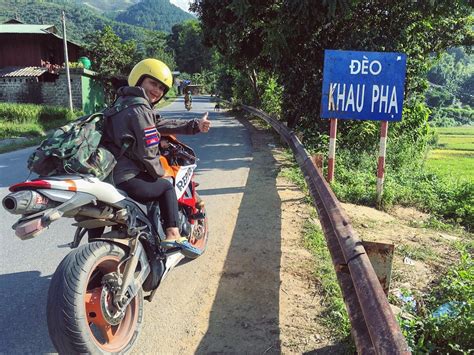
1. The first adventure that awaits visitors to Mu Cang Chai is conquering the mountain passes, an essential experience for anyone traveling through the region. The journey begins with Ach Pass, one of the first significant mountain routes encountered when traveling from Hanoi to Mu Cang Chai. Located on QL32 in Van Chan District, Ach Pass is historically significant, dating back to the French colonial period. During that time, road porters worked tirelessly to build the road in hazardous conditions. Ach Pass, though beautiful, is quite straightforward, with gradual increases in elevation and few sharp turns. The journey through this pass is not too challenging, making it a manageable and scenic beginning to Mu Cang Chai. After less than half an hour, travelers will reach Nghia Lo Town, where the population is denser and the landscape transitions from sparsely populated areas to more vibrant settlements. Khau Pha Pass, one of the Four Great Peaks of Northern Vietnam, can test anyone’s resilience. It’s located on QL32, connecting Mu Cang Chai and Van Chan District, about 76 kilometers from Ach Pass. Stretching for 30 kilometers at 1,200 meters above sea level, Khau Pha Pass is one of the most challenging mountain passes in the region. For this reason, Khau Pha isn’t for the faint-hearted. Khau Pha Pass is surrounded by mist and covered with lush fields. One of the best things about Khau Pha Pass is its rugged beauty. The road cuts through dense forests and terraced rice fields, where the views of the landscape are spectacular. Despite the pass’s difficulty, the panoramic vistas make passing Khau Pha a memorable experience. Visitors can spot terraced fields stretching for miles over the hillsides. The weather is cool year-round, though it can sometimes bring about clouds and fog. Khau Pha Pass is clear of mist, with fields turning golden. On top of the tough terrain, nighttime driving on Khau Pha can be hazardous, as certain parts of the road lack streetlights. On cloudy days, the visibility is reduced. Landslides are possible, especially during rainy days. Despite these challenges, the journey is worth it. Motorbike enthusiasts, in particular, flock to Khau Pha for its thrilling ride and breathtaking views. A winding road halfway up the mountain on Khau Pha Pass.
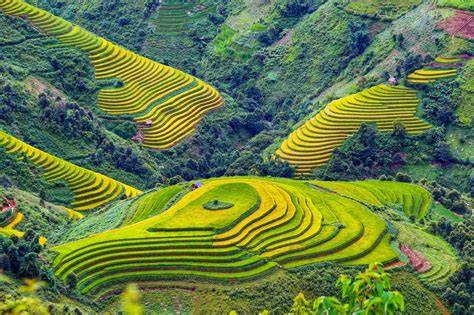
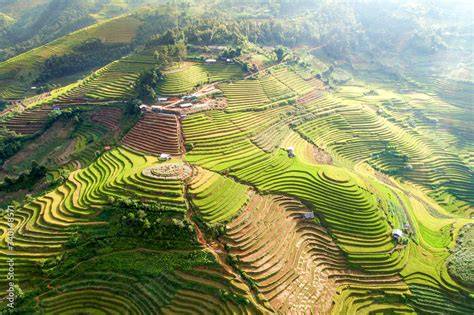
2. Mu Cang Chai is home to some of the most picturesque villages in Northern Vietnam, scattered across a vast area. Endless rice fields cascade like waves in a valley. Here, each village is a key to the region’s way of life. In general, the villages of Mu Cang Chai are characterized by their traditional stilt houses and a strong connection to nature. The landscape is dominated by lush valleys, rolling hills, and, of course, the iconic terraced rice fields that stretch as far as the eye can see. Golden harvest hues blanket the hills. Some of the best terraced fields in Mu Cang Chai are in communes like La Pan Tan, Che Cu Nha, and De Xu Phinh. Mu Cang Chai has over 2,200 hectares of terraced fields, 500 hectares of which are in these three communes. These fields are incredibly harmonious. Each level of terraces fit together like pieces of a puzzle. Another highlight is the Nam Khat Commune. Its people are known for their warm hospitality towards tourists. Lim Mong Village in Cao Pha Commune is also great to visit. Steps of rice fields etched into the mountain slopes. In 2007, Mu Cang Chai’s terraced fields were designated as a National Monument. In 2020, they were recognized as a Special National Monument. This recognition attracts visitors from around the world who come to admire their beauty. Hills transformed into layered rice paddies. Visiting the local villages in Mu Cang Chai is about more than just nature. It’s authenticity and a chance to experience the area’s deeply rooted cultural traditions. You can wander through the terraced fields, which are a sight to behold. Stay in a local homestay. Try engaging with the residents. Morning mist embraces the distant mountains.
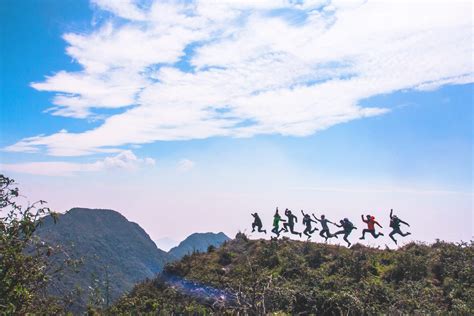
3. Hiking Lung Cung Mountain is a great thing to do in Mu Cang Chai for those into adventure. Located in Nam Co Commune, Lung Cung is one of the highest peaks in Yen Bai Province and the highest in Mu Cang Chai at an impressive 2,913 meters above sea level. The journey begins with a 45-minute motorbike ride from Lung Cung Village, navigating winding and challenging roads. You can book a motorbike taxi for about 300,000 VND per trip. The trail to Lung Cung Mountain is manageable with a bit of determination and physical effort. The peak of Lung Cung is a flat expanse of about one hectare, providing panoramic vistas and a serene atmosphere. Along the trail, you’ll come across vibrant flora, including light pink azaleas and other wildflowers. What makes Lung Cung worth it is its pristine beauty, untouched by humans. Mo Waterfall is located in Mo De Commune, about 25 kilometers northwest of central Mu Cang Chai. The fall stretches over 3,000 meters, resembling a silky ribbon shimmering in silver. To reach the foot of the waterfall, visitors can hike about four kilometers from QL32, which takes about 45 minutes. Despite requiring some physical effort, the journey feels like entering another world. Once there, you’re greeted with the sight of white and pink plum flowers, dotted by the bright red of wild banana flowers. Crystal-clear water cascades down from the waterfall. The first level of the waterfall stretches 30 meters. Its spiraling flow is perfect for visitors to relax and enjoy a refreshing foot massage after a brief hike. The second level cascades down to a natural pool that churns with frothy water. The third level is likened to a funnel, while the fourth level resembles a flowing grand palace curtain. Water at this level pours down from over five meters high, creating a majestic and romantic atmosphere that dissipates all the fatigue.
Gamta, kultūra ir patirtis
4. In Mu Cang Chai, the two most popular bamboo forests-Mu Cang Chai Bamboo Forest in the north and Pung Luong Bamboo Forest in the south-offer a peaceful retreat. Both forests share a challenging access route, with steep and winding roads, often consisting of rugged dirt trails. To navigate these roads comfortably, many visitors opt to hire a motorbike taxi, which costs around 150,000 VND per person for a round trip. A bamboo forest in Mu Cang Chai. Once you arrive, you’ll be surrounded by towering bamboo trees that create a lush, green canopy over the area. The atmosphere is calm, perfect for relaxing and breathing in the crisp mountain air. The bamboo forests are managed by local communities, and there is a small entrance fee of 20,000 VND per person.
5. Paragliding is an extreme air sport where participants glide through the sky using a foot-launched parachute. There is one place on Khau Pha Pass where they offer paragliding. This should be the ultimate thing to do in Mu Cang Chai. Known as one of the most beautiful paragliding spots in Vietnam, Khau Pha offers breathtaking views of terraced rice fields and the Khau Pha Pass from above. The flight begins on Khau Pha Pass. The landing point is at the foot of the pass in Tu Le Commune, 600 meters below to the north. Once down there, participants can hop on a return ride to the starting point, which is included in the ticket price. Flights last around 15 minutes, depending on weather conditions and individual stamina. No prior experience is necessary for paragliding in Mu Cang Chai. Participants fly with experienced pilots-both Vietnamese and international professionals. Views from the paragliding point on Khau Pha Pass. Gearing up for paragliding in Mu Cang Chai is important. Wear comfortable, windproof sports clothing, sturdy shoes, and sunglasses to protect your eyes. All other necessary equipment is provided, including cameras for photos and videos. Once in the sky, pilots, with their selfie sticks, capture stunning shots, ensuring you will go home with memorable keepsakes. After the flight, participants receive a personalized certificate signed by their pilot. Paragliding in Mu Cang Chai is for anyone, even those afraid of heights, as takeoff and landing are smooth and stress-free. It’s essential to book in advance, as demand is high and weather conditions may limit availability. On-site registration may result in long waits or missed opportunities. A paraglider above the golden terraced rice fields in Mu Cang Chai. Tickets for paragliding in Mu Cang Chai are around 2,590,000 VND. This is a premium cost, but well worth it. For many, soaring above the terraced fields and rugged mountains of Mu Cang Chai is a once-in-a-lifetime experience.
For those who seek mountain scenery, rice terraces, and a calmer face of northern Vietnam, a visit to Mu Cang Chai is well worth the time. Some of the best scenery in all of Vietnam can be found here, especially during the rice harvest when the terraces are full of gold-colored paddies. Of course, Mu Cang Chai is not going to suit everyone. There is a lengthy drive from Hanoi through hilly roads, and accommodations are basic apart from select boutique hotels. Knowing both what to expect from this destination, and what not to expect, is crucial before making plans. Mu Cang Chai is famous for its spectacular terraced rice paddies located on the slopes of deep valleys in the province of Yen Bai. Why Mu Cang Chai attracts tourists? The answer is simple: easy access and remoteness of the place. As it was said above, most of the travel writing talks about rice paddies quite generically. The rice paddies there are very steep, layered, and impressive compared to other destinations within Vietnam. Mu Cang Chai doesn’t have anything to do with luxurious living, night life, or major tourist spots. Some destinations earn their reputation through clever marketing. Mu Cang Chai earns it through sheer, undeniable beauty. Tucked deep in the northwest of Vietnam’s Yen Bai Province, more than 300 kilometers from Hanoi, this remote highland district is the kind of place that stops photographers mid-sentence and makes seasoned travelers quietly reconsider everything they thought they knew about northern Vietnam.Golden harvest terraces, mist-wrapped mountain passes, Hmong and Thai village life that carries on largely unchanged - Mu Cang Chai Vietnam is not a destination you stumble into. It takes a little effort to reach, and that effort is very much part of the appeal.
Where Is Mu Cang Chai? When Is the Best Time to Visit Mu Cang Chai? How to Get to Mu Cang Chai from Hanoi
By Public Bus, By Private Car, By Resort Transfer
Where to Stay in Mu Cang Chai: Traditional Stilt House Homestays, Ecolodge-Style Stays, Town Hotels. Tip: If you want something with noticeably more comfort, base yourself in Tu Le or Nghia Lo - both within easy driving distance of the main attractions and served by better hotel options.
Ką veikti Mu Cang Chai: svarbiausios vietos
What to Do in Mu Cang Chai: Highlights Worth Planning Around Khau Pha Pass and Lim Mong Valley La Pan Tan, Che Cu Nha, and De Xu Phinh - The Terrace Villages Mam Xoi Hill - The Iconic Viewpoint Mong Ngua Hill (Horseshoe Terraces) - Sang Nhu Tu Le Village and the Sticky Rice Fields Vietnam’s Longest Zipline - Aeris Hill, Tu Le Nha Hang Bamboo Forest - Ban Na Hang Tua Tram Tau Hot Springs
What to Eat in Mu Cang Chai Highland cuisine in this corner of Vietnam is hearty, seasonal, and deeply tied to the communities that produce it. These are the dishes and ingredients worth seeking out: Com Nep Nương, Thit Lon Den Nuong, Nhong Ong Rung, Mang Dang Xao, Ca Suoi Nuong (Pa Pinh Top), Ca Hoi and Ca Tam Khau Pha, Com Xanh Tu Le. A Suggested Three-Day Itinerary Day One: Hanoi to Tram Tau Hot Springs Day Two: Khau Pha Pass, Lim Mong Valley, Tu Le, Mu Cang Chai Day Three: Mam Xoi Hill, Mong Ngua Terraces, Return to Hanoi. Estimated total budget per person: approximately 3,000,000 VND for transport, accommodation, meals, and entry fees. A Few Things to Keep in Mind Responsible travel matters here more than most places. Mu Cang Chai’s landscape is a working agricultural environment, not a theme park, and the communities who maintain it deserve that respect. Don’t litter, and carry your waste out if no bins are available. Avoid crowding locals for photos without permission, and resist the impulse to hand out sweets or money to children along the roadside, it creates dependency that undermines community wellbeing over time. Pack a light jacket regardless of season. Daytime temperatures can feel genuinely warm in the valleys, but evenings at altitude drop quickly, and mountain weather has a habit of changing without notice.